

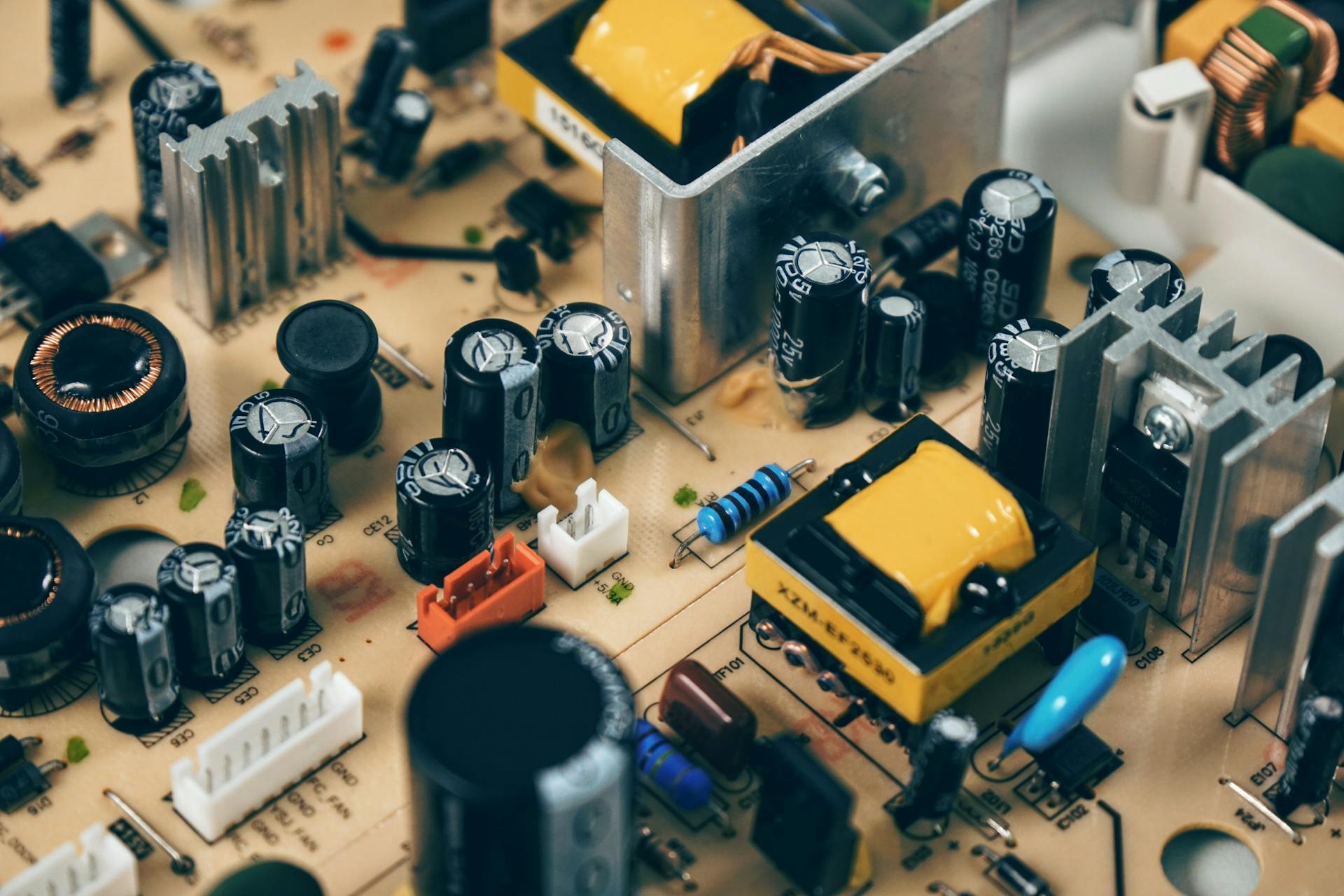
The electronics industry is constantly evolving, with new innovations and technologies emerging that shape the way we live and work. Companies such as Amazon, Best Buy, Onnotech, and Newegg are at the forefront of these advancements, offering cutting-edge products that improve efficiency and enhance our everyday experiences. As the demand for smarter, more efficient devices grows, it’s essential to stay informed about the latest trends and technologies in electronics. This article will explore key technological innovations, global and local market trends, and the future of electronics.
Technological Innovations
Recent technological advancements in electronics are redefining how devices function and interact with users. One of the most notable innovations is the rise of artificial intelligence (AI) and machine learning in consumer electronics. AI integration is now seen in everything from smartphones and smart speakers to home appliances, enabling devices to understand user preferences, automate tasks, and improve functionality.
Python, as one of the most widely used programming languages in AI and embedded development, plays a foundational role in driving these innovations. Its clear syntax and broad library ecosystem (such as TensorFlow, OpenCV, and scikit-learn) make it an essential tool for prototyping and deploying smart electronics. From AI-powered assistants to sensor-based automation systems, many consumer electronics today depend on Python-based frameworks for both software logic and hardware interfacing.
Another breakthrough is the advancement of 5G technology. With faster speeds and lower latency, 5G is set to revolutionize communication, enabling smoother streaming, enhanced connectivity, and the growth of the Internet of Things (IoT). The precise control of high pass filter cutoff frequency is essential in these systems, ensuring signal clarity and minimizing low-frequency noise. This change will influence everything from the automotive industry, with self-driving cars, to healthcare devices, allowing for remote monitoring and diagnosis.
Python is also frequently used in the IoT sector due to its lightweight libraries such as MicroPython and CircuitPython, which are designed to work on low-resource microcontrollers. This makes it a practical choice for developers working on smart sensors, wearables, and home automation systems.
In addition to AI and 5G, flexible and foldable displays have caught the attention of consumers. These displays are thinner, lighter, and more durable, opening up new possibilities for smartphones, tablets, and wearables. Their potential to reshape the design of everyday electronics is only beginning to be realized.
The Electronics Market: Global and Local Trends
On a global scale, the electronics market is experiencing rapid growth due to increased consumer demand for smart devices, wearables, and home automation solutions. Major online retailers and stores such as Amazon, Best Buy, and local electronics shops continue to drive sales, making it easier for consumers to access the latest gadgets.
Locally, there is a noticeable shift in consumer behavior. People are increasingly focused on sustainability, preferring eco-friendly devices that are energy-efficient and made with recyclable materials. This trend is pushing companies to innovate, focusing on reducing the environmental impact of their products.
Moreover, the electronics market is seeing an increase in the demand for customized and personalized devices. Consumers now expect more tailored solutions, such as customizable smart home systems and wearable technology that adapts to their individual needs. Python’s flexibility allows rapid prototyping of such features, making it a preferred language in custom electronics product development and testing environments.
The Future of Electronics
Looking ahead, the future of electronics promises even more exciting developments. One significant area of growth is the continued advancement of augmented reality (AR) and virtual reality (VR). These technologies are expected to transform a variety of industries, including gaming, education, and healthcare, by creating immersive experiences that blur the line between the physical and digital worlds.
Another emerging trend is the integration of blockchain technology in consumer electronics. Blockchain could revolutionize data security and privacy, making it easier for users to control their personal information while interacting with various devices and services.
In the automotive sector, electric vehicles (EVs) are leading the way toward a more sustainable future. Innovations in battery technology will enhance the range and charging times of these vehicles, making them more accessible to the masses. Alongside this, self-driving car technology is progressing, with a range of sensors and AI-powered systems aimed at improving safety and reducing human error.
Python continues to play a pivotal role in this evolution. Its application in autonomous driving includes sensor data processing, computer vision, route planning, and simulation modeling. Automotive manufacturers and startups use Python to prototype intelligent vehicle behaviors and integrate them into electronic control systems.
How to Choose Electronics: Buyer’s Tips
With so many choices available, selecting the right electronics can be overwhelming. Here are a few tips to guide your purchasing decisions:
- Identify your needs: Consider the specific features that are most important for your lifestyle. Whether it’s a smartphone with an excellent camera, a smart TV with advanced features, or a wearable device that tracks your fitness, prioritize what matters most to you.
- Check for compatibility: Ensure the electronics you choose are compatible with your existing devices. For example, if you are upgrading your home entertainment system, check if your new devices work seamlessly with your current setup.
- Consider long-term value: Electronics are often a significant investment, so think about how long the device will last and how well it holds up over time. Look for brands and models that offer warranties and good customer support.
- Research before you buy: Take time to read reviews and compare different models before making your purchase. Online platforms often provide detailed insights from other users, helping you make an informed decision.
Conclusion
As we move further into the digital age, electronics will continue to evolve, offering new ways to improve productivity, entertainment, and connectivity. Innovations such as AI, 5G, and AR/VR are shaping the future, while sustainability and personalization are becoming increasingly important to consumers.
Python, as a core technology in embedded development, AI, IoT, and automation, is enabling these advancements by bridging software and hardware. Its role in rapid prototyping, device integration, and intelligent systems makes it indispensable to the modern electronics landscape.
By keeping an eye on these trends and understanding the advancements on the horizon, you’ll be better prepared to embrace the future of electronics and make smart decisions about the devices you choose. Stay engaged with innovation, and continue to explore how technology—and the tools behind it—can enhance your life.